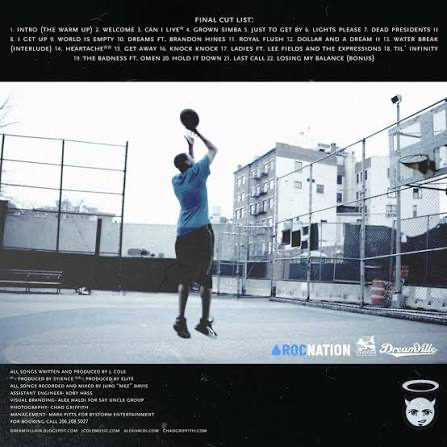

The first thing I ever saw of J. Cole was two minutes of a guy alone on a basketball court in the cold.
That's the whole trailer for his mixtape The Warm Up. Grey sky, bare trees, a fenced city court with project buildings behind it. Puddles on the asphalt. One kid in a t-shirt in weather that does not call for a t-shirt, shooting, running down his own rebound, shooting again.
No crowd. No game. Nobody else in the frame. Just a guy getting shots up and perfecting his game. At one point the camera pulls back so far that he is just a small figure at the far end of an empty court. The last thing you see is the ball rolling across wet ground and coming to a stop with nobody there to pick it up.
Then a card: music composed by J. Cole. He made the beats too.
It was 2009.
I was watching that at my first real job, holding a degree nobody had asked to see, with no evidence that any of it was going to work either.
The trailer for The Warm Up
The warm up
A warm up is before. Before the crowd, before the score, before anybody has decided whether you're any good. It's the hour you put in on a wet court in February because the alternative is not putting it in. Nobody buys a ticket to a warm up. There has never been a highlight of a warm up (OK, Zion has a few but it's rare).
He introduced himself to the world by filming the least watchable part of the sport, and then he gave the tape away for free.
The scoreboard
I played basketball, and I was kind of good. My team won a national championship when I was 14. I was captain of some teams. Varsity. But that was the end of my hoop dreams.
It is the last time in my life that anything I was good at came with a scoreboard.
That's the part nobody prepares you for. In a gym, the argument ends. There are numbers on the wall and a trophy in somebody's hands and everyone in the building agrees on what happened. Then you grow up and go do work that matters far more than a tournament you played in as a teenager, and you discover there are no numbers on the wall anymore. Nothing settles. The question of whether you are any good stays permanently open, and it gets answered by whoever is talking loudest that year.
Rap has the same problem. There is no scoreboard for telling the truth clearly. There are only arguments.
Although that is not quite right either.
Sometimes there is a scoreboard, and it is worse.
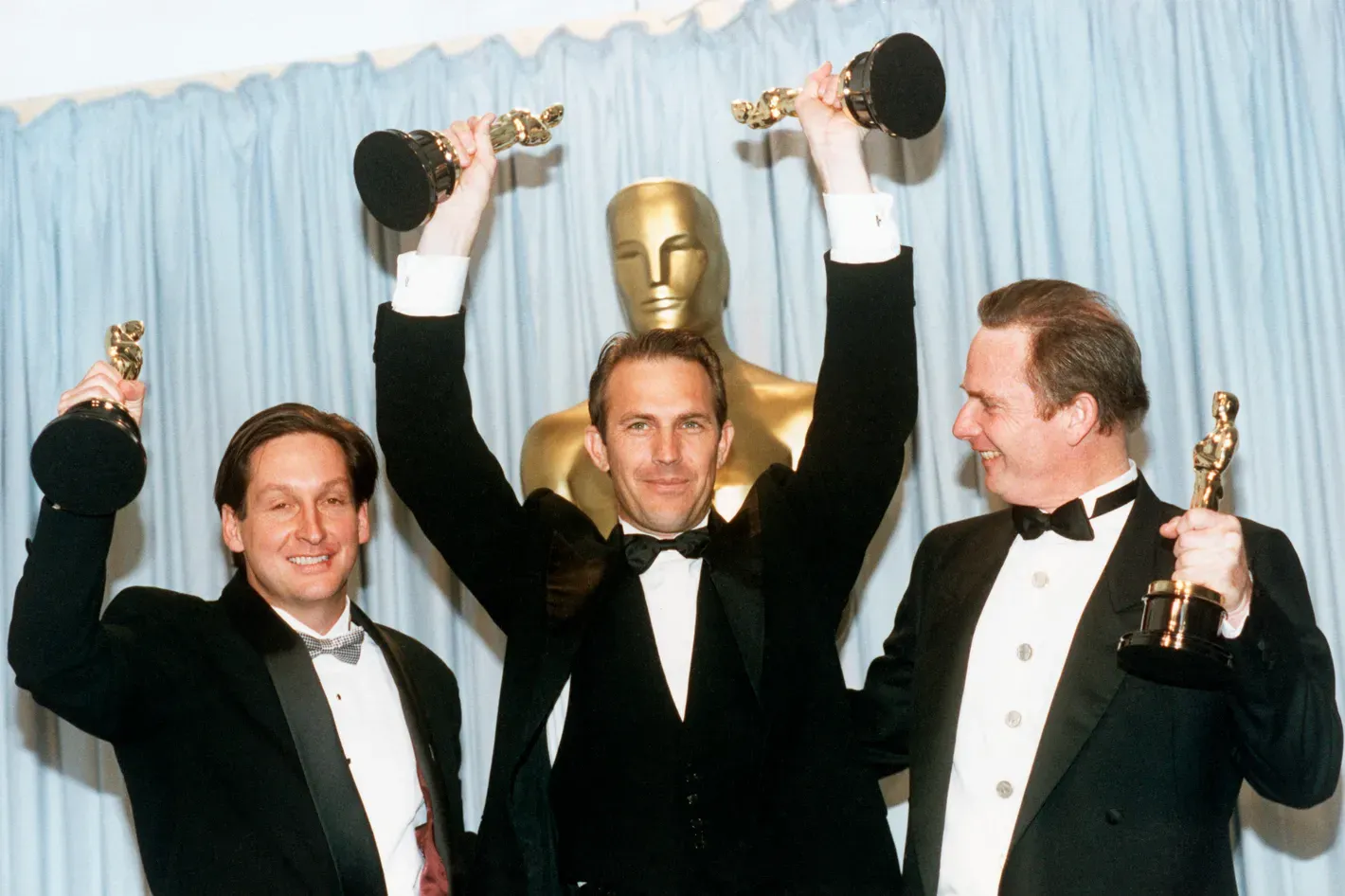
In 1991 the Academy gave seven Oscars to Dances with Wolves, including Best Picture and Best Director. Goodfellas went home with one, for Joe Pesci. Thirty five years later, one of those movies turns up on every list of the greatest films ever made and the other one is a trivia answer about the year they got it wrong.
So the number does go up on the wall. It just gets posted a few months after the work comes out, by people voting on something that takes a decade to understand.
The guy in the gym
Every run has a guy.
At the gym I played at in my twenties, his name was Pete and he was maybe five foot ten. He is not the one with the handle or the jelly. He is not the one who gets everybody yelling. He is the one who makes the right read every single time. He boxes out. He makes the extra pass. He is exactly where he is supposed to be, on every possession, for two hours.
Everyone who has actually played picks him first. Not second. First.
I watched a kid get picked ahead of him once, a kid who could really jump, and the kid turned around and said it out loud.
"Wait, why do y'all keep taking Pete?"
Nobody answered him. One of the older guys just laughed and said, "You'll see."
He did see. We ran them off the court in about eleven minutes and nobody could tell you a single thing Pete did.
And nobody tells a story about him afterward. The stories are about the crossover and the block and the guy who talked and then backed it up. Nobody has ever once said "you should have seen him rotate over on the weak side."
That is not a thing people say.
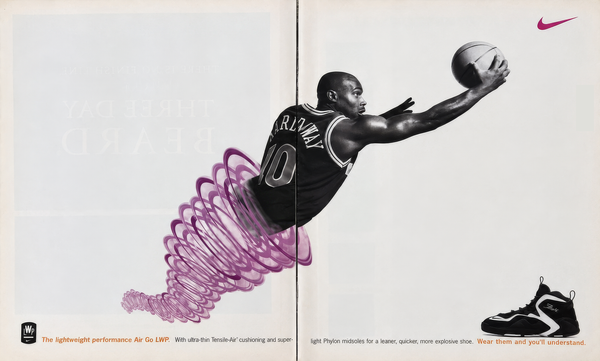
Master the "boring stuff" like Kevin Love. Win championships.
Highlights are made of exceptions. Fundamentals are made of repetitions. There is no way to clip consistency unless you're Kevin Love. So the best player in the gym and the most discussed player in the gym are almost never the same person, and that has nothing to do with how good either of them is.
That's Cole.
He doesn't do voices. He doesn't bury the words under production complicated enough that admiring it becomes the point. He tells you what happened, in order, in plain language, and lets you walk next to him while he does it. Every bar lands where it is supposed to. For fifteen years.
Not pop enough to be pop. Not conscious enough to be deep. Technically excellent, a little boring. Respected, rarely defended.
What you want to have is that the thing works, for everyone, the first time, and that nobody using it ever wonders who made it. The prize for doing it perfectly is that nobody can tell it was done.
The review
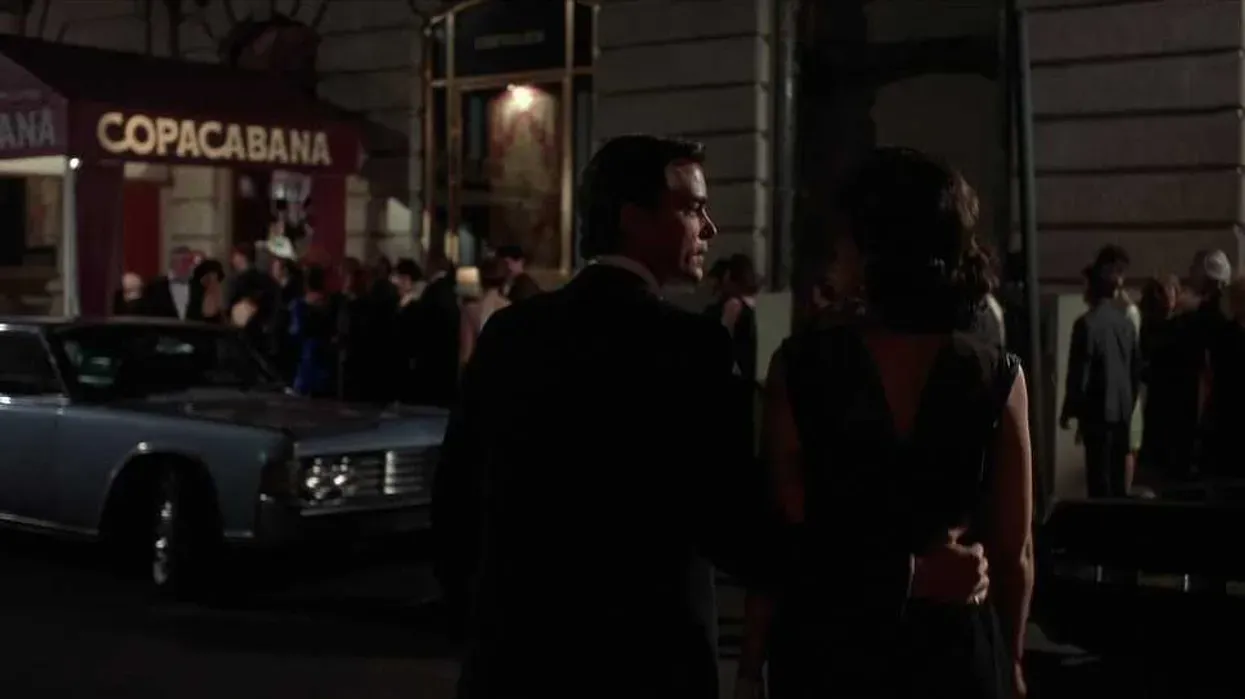
There is a shot in Goodfellas I think about all the time. Henry takes Karen to the Copacabana, and instead of standing in the line out front he walks her through a side door, down a service corridor, through the kitchen, and out into the club, where a table is carried in over people's heads and set down for them in front of the stage. It runs about three minutes without a cut. It is one of the most difficult scenes anybody has ever shot with a camera.
While it is happening, you are not thinking about the camera. You are thinking that you want that life.
Same trick. The better the work is, the less of it you can see.
So when somebody calls Cole technically great and a little boring, I don't hear a music take. I hear the review I'm afraid of. Not because I think it's true. Because I know it can be said about work I'm proud of, and there's no scoreboard to settle it.
What it costs to be legible
Cole is not a humble rapper. He will tell you he is the best alive, and on plenty of records he sounds completely certain of it, because he is right and he knows it.
What he is not certain about is what all of it is doing to him.
That is the split that makes him worth listening to for fifteen years. Total confidence in the craft. Open, unresolved doubt about the person holding it. He will out-rap anybody on the track and then spend the next verse asking whether he is getting too big, whether he is forgetting, whether he is still the guy on that court.
He named a record after the street he grew up on and later bought the house. Think about what that actually is. Not a flex. A man going back to purchase the specific building where he was poor, because he is worried about losing the person who lived in it.

He wrote about the first time he had sex and made it small and awkward and true instead of a brag. He wrote about becoming a father. He wrote about the particular guilt of making it out when the people you came up with didn't, which is a thing nobody warns you about and almost nobody says out loud.
That is what people miss when they call him safe. Being legible is not the same as being comfortable. It is much easier to be complicated than to be understood, because complicated protects you. If nobody can quite follow you, nobody can quite catch you. Cole gave that up on purpose. He decided to be the guy you can follow, which makes him the guy you can convict.
Run it back
There is a strange fact about him. He is one of the biggest rappers alive and his fans still argue that he is underrated. Both of those are true at the same time, and I don't think it's a contradiction.
It's the gym thing. What he is best at does not produce moments you can point to. It produces a body of work, which only counts if you were there for all of it, and most people were not.
I was. Since a wet court in 2009, when neither of us had done anything yet.
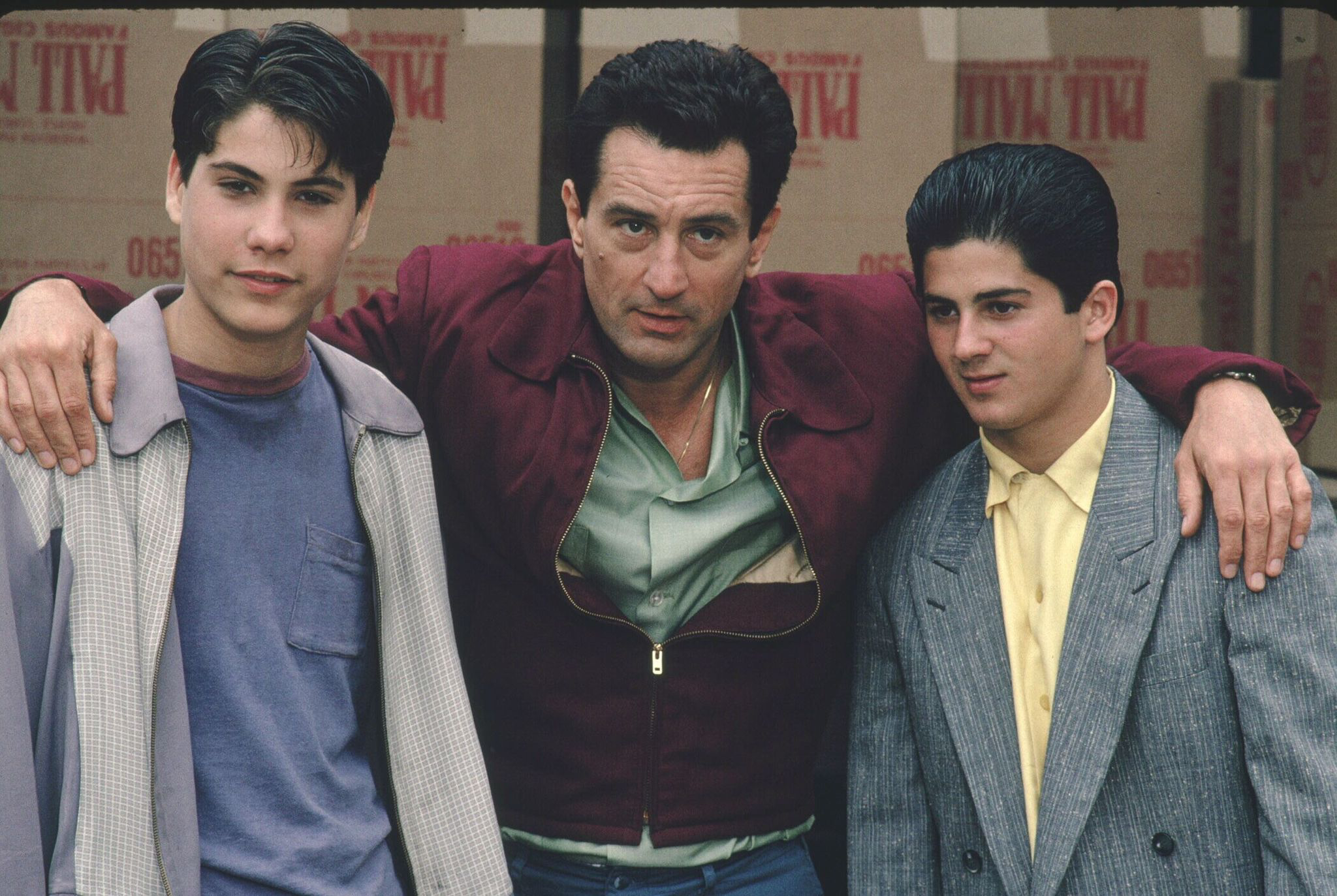
Henry wanted to be seen. That is the first line of the movie, a kid saying that as far back as he can remember he wanted to be a gangster, which is a kid saying he wanted to be somebody in a place where he was nobody. And he got it. He got the table at the Copa and the deference and the guy who parks his car.
Then the film spends two and a half hours quietly showing you that what he read as respect was fear, that the code protecting him was fiction, and that every man at that table would have him killed the week he became inconvenient.
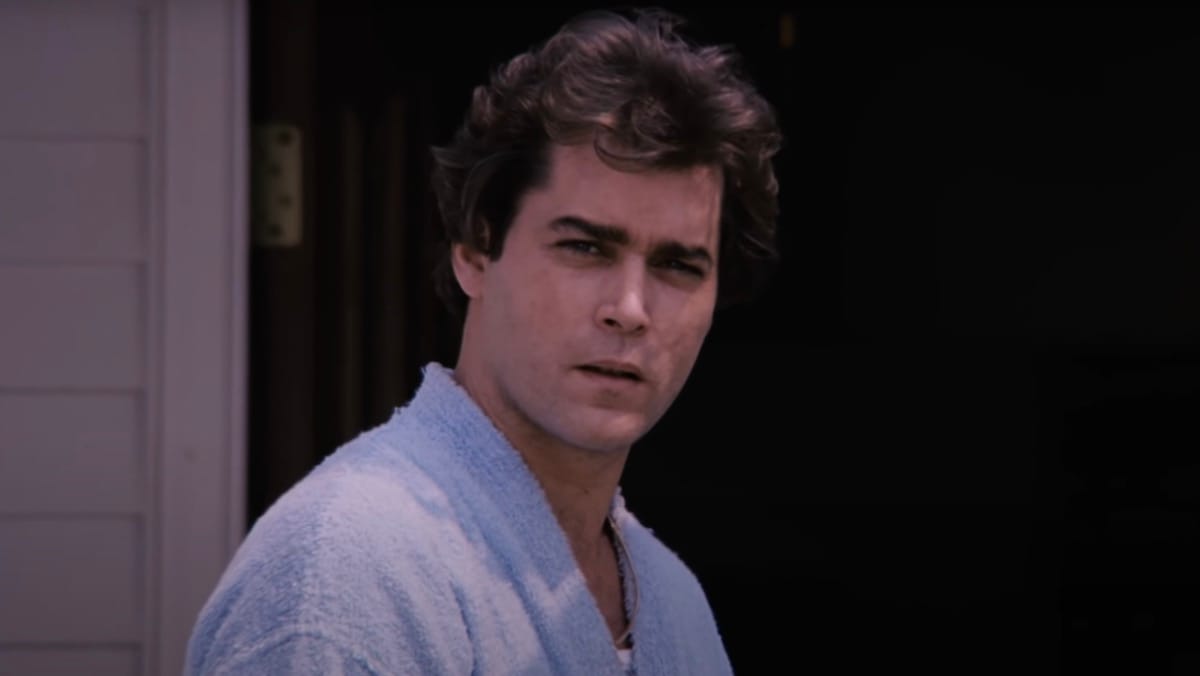
He ends up alive, in a bathrobe, in a subdivision, walking out to get the paper. What he misses is not the money. It is being looked at. He says he has to live the rest of his life like a schnook, and he means it.
Henry solved my problem. He found the version of a life where everybody notices you. It turned out to be fear, and it was disposable, and when it ended there was nothing underneath it.
I think most of us are running on some fuel we'd rather not have inspected, and the work comes out fine either way, and the question of whether that's okay stays open the same way the question of whether you're any good stays open.
I don't need anyone to agree with me. I would just like to end up being that for somebody. Not the highlight. The one you want on your team when it actually matters, and the one you put on when you need the truth told plainly instead of performed.
Somewhere in the trailer for The Warm Up, the ball rolls away from Cole and stops, and he walks over and gets it, and shoots again. Nobody is watching.
That’s what a warm up is.