
I have never taken a design class.
Decades later, that's still the first thing people are surprised to hear. They say it like a compliment. It isn't one. What they're actually asking is how did you get in here, and for about fifteen years I answered like I owed somebody an answer.
I don't anymore.
I want to be honest that it took over 15 years, and that I'm still not sure it's gone.
It started with a photograph.
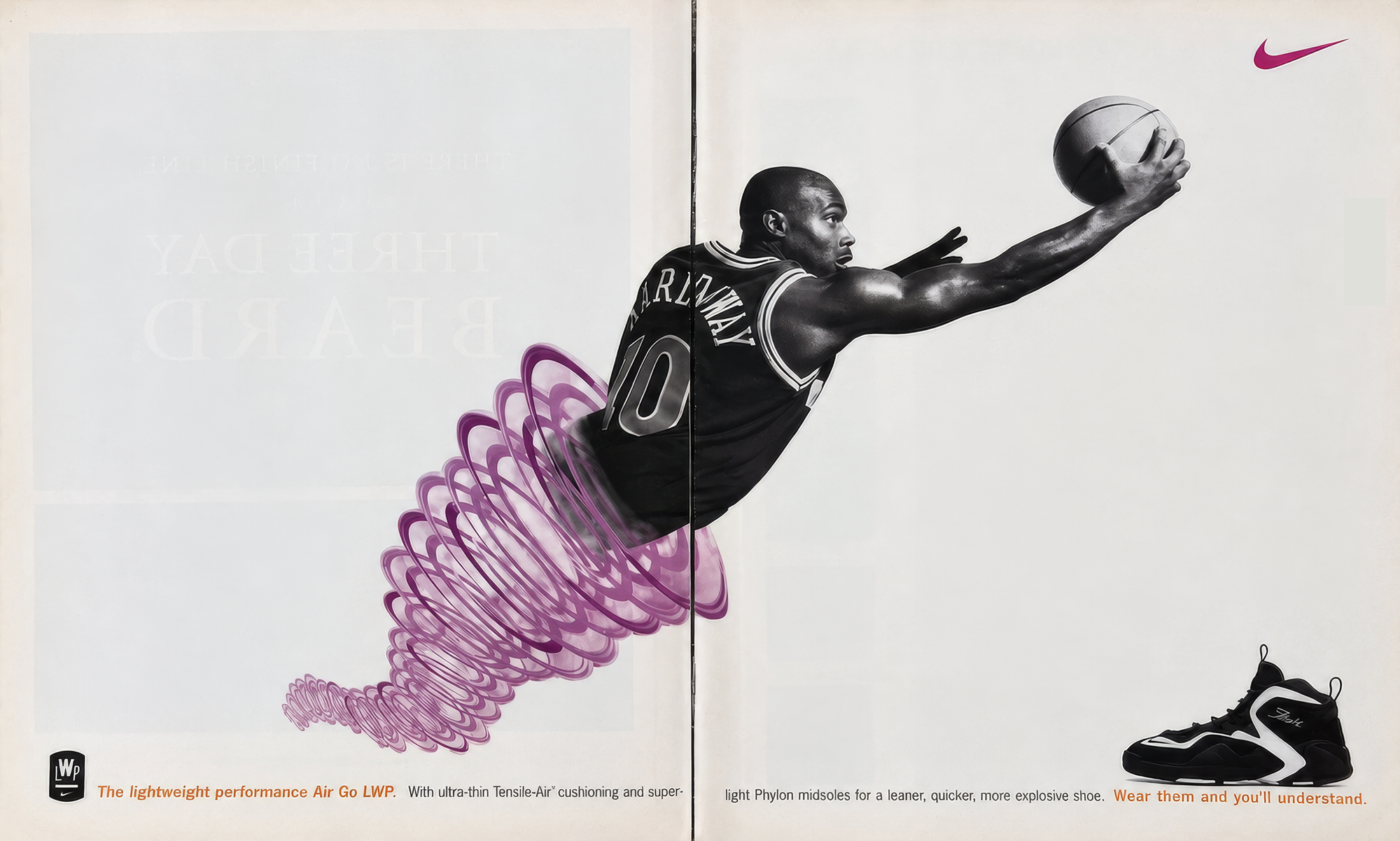
Third grade. I'm on the floor with a copy of SLAM, and there is a Nike Air Go LWP.
I didn't know anything about shoes. I knew that one immediately and completely, the way you know things at eight years old. Nubuck upper. Speed lacing. Light Weight Performance, a phrase I could recite well before I could have spelled either of the first two words.
I did not have that shoe. I had a picture of that shoe.
I looked at that picture until the page went soft.

The shoes I did get
I never got the LWPs. My parents never let me get a job. They wanted me to focus on school but I wanted nice and trendy things so I started reselling sneakers and made a bit of cash from it.
I spent all of the money I made on shoes. Then more shoes. Then what any reasonable person would call a collection, and what my mother called a problem.
She found them stacked in my closet in their boxes, which is how I knew this was going to be a conversation and not a comment.
"How many of these do you have?"
"A few."
"I'm asking how many."
I told her. I don't remember the number. I remember that saying it out loud made it sound insane, which it was, and that she didn't yell, which was worse.
She picked up one box. Held it like she was pricing it. And then she asked me the question I've never fully answered.
"What is this for?"
Not how much did this cost. Not where did you get the money. She wanted to know what it was for, because in her accounting nothing sat in a closet in a box. Things were for something. That's how you get across an ocean with two kids and start over in a country that has no idea who you were before.
And I couldn't tell her.
I was thirteen. I could have said I like them, which was true and useless. I could have said because the picture in the magazine did something to me and I've been chasing it ever since, which was also true and which I would not be able to put into words for another twenty years.
So I said nothing, and she put the box back, and she left the door open on her way out.
For a long time I told that story as the part where my mom didn't get it.
It isn't. She got it before I did. She just wanted me to say it.
The splinter
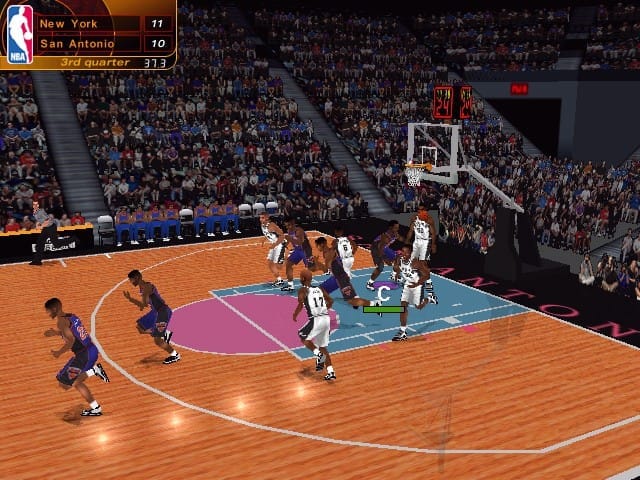
By middle school I was playing NBA Inside Drive 2000 on the family computer, and the shoes in it were wrong.
So were the uniforms. A team in last season's jersey. Somebody wearing a model he would never in his life have laced up. Or the default shoes, which is its own insult.
It sat in my chest like a splinter.
A normal kid notices this and keeps playing.
I went and found a pirated copy of Photoshop.
I didn't know what I was doing. I didn't know there was a word for what I was doing. Nobody in my house was a designer, there was no class at my school, and I had no ambition of any kind. I just knew the shoes were wrong and there was apparently a program that could make them right.
The photograph taught me to want things.
The video game taught me I could go change them.
Everything after that is the same move at higher stakes.
The move
Here it is, since I've now done it for twenty-five years.
See a thing. Want it different. Take it apart until it does what you want.
That isn't a work ethic and it isn't passion. It's closer to an itch. Nobody has ever assigned it to me, and nobody has ever had to.
There are two ways into this work. One is to learn the principles properly and then go find problems worth applying them to. That's what school is for, and school is good at it.
I went the other direction. I always had the problem first, and I'd go get exactly as much knowledge as that one problem demanded and not one inch more.
Efficient. Also full of holes.
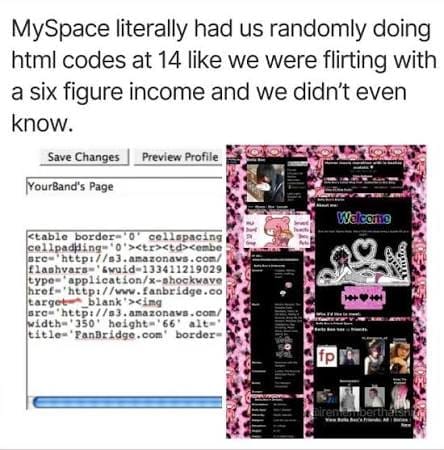
High school was Dreamweaver, because I wanted a website and websites required code. Then MySpace and Xanga, which for a certain age of person was the greatest design school ever accidentally constructed. A profile page you could pour HTML and CSS straight into. A whole generation of teenagers learning selector overrides because they wanted their page to look sick.
I didn't know I was training. It felt like messing around.
It was messing around. It was also the beginning of my ten thousand hours.
Ecology
I majored in Ecology.
I'd love to tell you there was a plan. There was not. I liked it, it was outside, and at nineteen I found "what are you going to do with that" to be a rude question.
But ecology is the study of systems. Nothing in an ecosystem means anything by itself. You can't understand the fish without the water temperature and the algae and the thing that eats the fish. You learn to look at a mess and find the dependencies. You learn succession, which is how a burned hillside comes back, in what order, on what timeline.
Fifteen years later I would spend years building design systems, which is a document about dependencies written for people who show up after you're gone.
The only formal education I ever got turned out to be the right one.
I just took it in a building with no computers in it.
The luckiest bad timing of my life
My work-study job was graphic designer, which is the first time anybody paid me for this. Then internships at ad agencies, a summer at OMSI, and then I graduated directly into the Great Recession.
Which is the single luckiest thing that has ever happened to me. It took about six years to notice.
At the time (like right now in 2026) it meant there were no jobs. Not fewer jobs. None. You'd send out portfolios into a silence so complete it started to feel like a personal opinion about you.
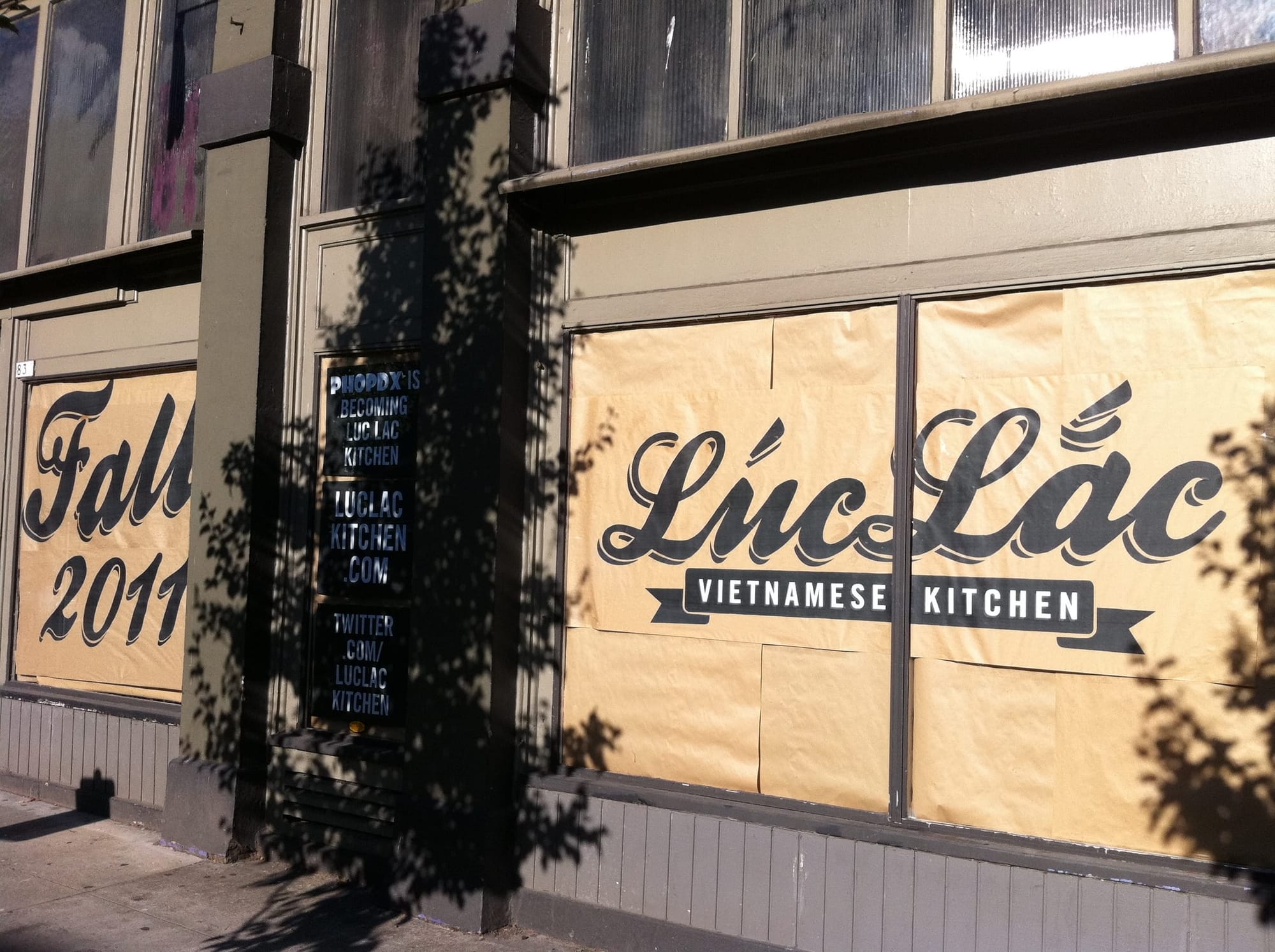
So my best friend from high school, his brother, and I opened a restaurant.
There was no strategy in it. We were young enough to think a recession was a normal amount of difficulty, and we wanted to. We called it Luc Lac.
Meanwhile, at that exact moment, the industry was deciding, all at once and everywhere, that designers should be able to code. It was a genuinely new idea and almost nobody could do both, because the two things had been taught in separate buildings by people who did not care for each other.
And there I was. Fifteen years old in a bedroom, pushing CSS into a Xanga page for no reason whatsoever.
I had spent a decade accidentally training for a job that did not exist yet.
One of the agencies I'd interned at called. They needed a designer who could code.
I came in and showed my portfolio and at some point the creative director stopped scrolling.
"Where'd you learn this?"
"Nowhere."
He waited, because that's a stupid answer.
"MySpace," I said.
He laughed, and I've thought about that laugh for fifteen years, because I could not tell you which kind it was.
They hired me. They called me a Digital Art Director. They had to invent the title. That's how new it was.
It was one of the best jobs I ever had.
The list
Nothing since has had much of a name either.
I saved this quote on my old blog eleven years ago and have thought about it roughly once a week since.
People look at a career from the outside and think there is some plan. When you experience a career it's literally like a very, very slow-motion car crash.
Guillermo del Toro
Fifteen years, and I can fit it in a paragraph, which is either efficient or a little sad.
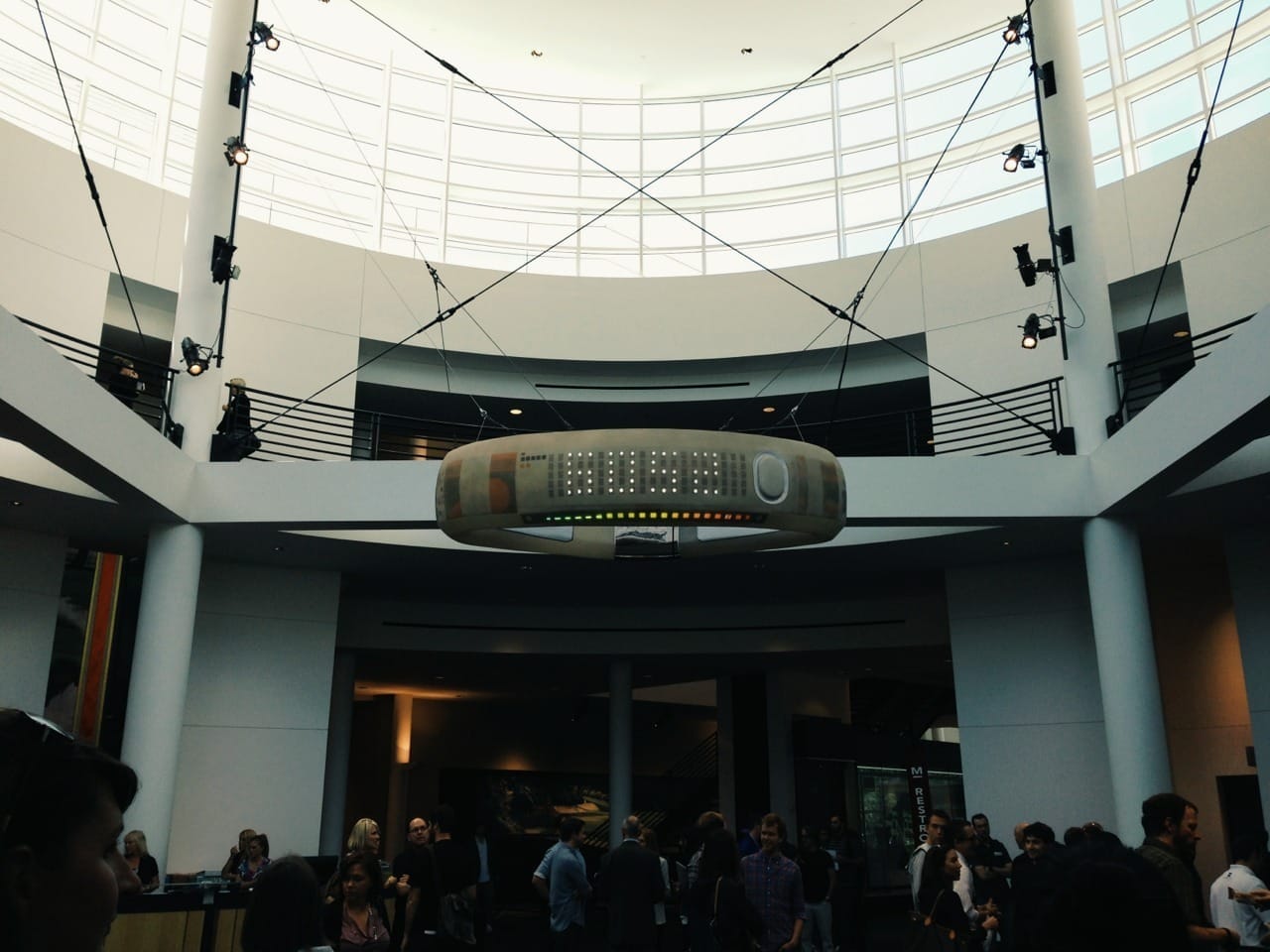
An accelerator called Upstart Labs, where I led design for more than thirty startups and got the first ninety days of a company over and over until I could read an idea before anyone had decided what it was. Then out on my own. Projects at Intel and Comcast I still can't talk about. Nike Training Club, the running app, a campaign called Your Year, and the founding design team for SNKRS. UI lead on the first touch interface for Dragon v2, now Crew Dragon. Then adidas. Then crypto, because my brother had been mining Bitcoin since the early 2010s and would not shut up about it, correctly as it turns out. A company called Interchange, where I built the best design system of my life, and where Kraken bought us two years in. Director of Product Design at Kraken, four designers to nearly forty, research team from scratch, hands on every surface we shipped. Then employee number one at XMTP Labs for four and a half years, embedded inside Coinbase, MetaMask, Zora, and World.
A photograph of a shoe wrecked me in third grade. Twenty years later I was on the founding design team of the app people use to buy the actual shoes.
Somewhere in the middle of that list I had two kids.
Somewhere in the middle of that list I also stopped being able to do it.
I'm not going to make that sound like a chapter with a lesson at the end. There was a few months where I would open the file and look at it and feel absolutely nothing, and then close the file, and then be a person at dinner. The work was still good. That's the part that scared me. It came out fine and I wasn't in it.
I don't have a clean read on what that was, still. I know it wasn't hours. I'd done hours my whole life and loved them.
My honest guess is that for about two years every single thing I made was a main quest, and I had stopped doing anything nobody was waiting on.
Side quests
Here's what the engine runs on.
The difference isn't importance, and it isn't who came up with it. Some of the best work of my life was the main quest, at companies where nobody handed me anything and the whole job was figuring out what we were even building.
The difference is expectation. The main quest is the thing people are waiting on. There's a scoreboard and somebody is looking at it. The side quest is the thing nobody would notice if you dropped it tomorrow, which is exactly what makes it the only place you can chase a hunch that might not pay off for ten years, or ever.
Nobody could have told me at twelve that recoloring sneakers in a basketball game was job training, because the job didn't exist yet.
Side quests look like wasted time right up until they're the only reason you're in the room.
You can't be self-taught without them. That isn't a coincidence, it's the definition. The side quests are the curriculum.
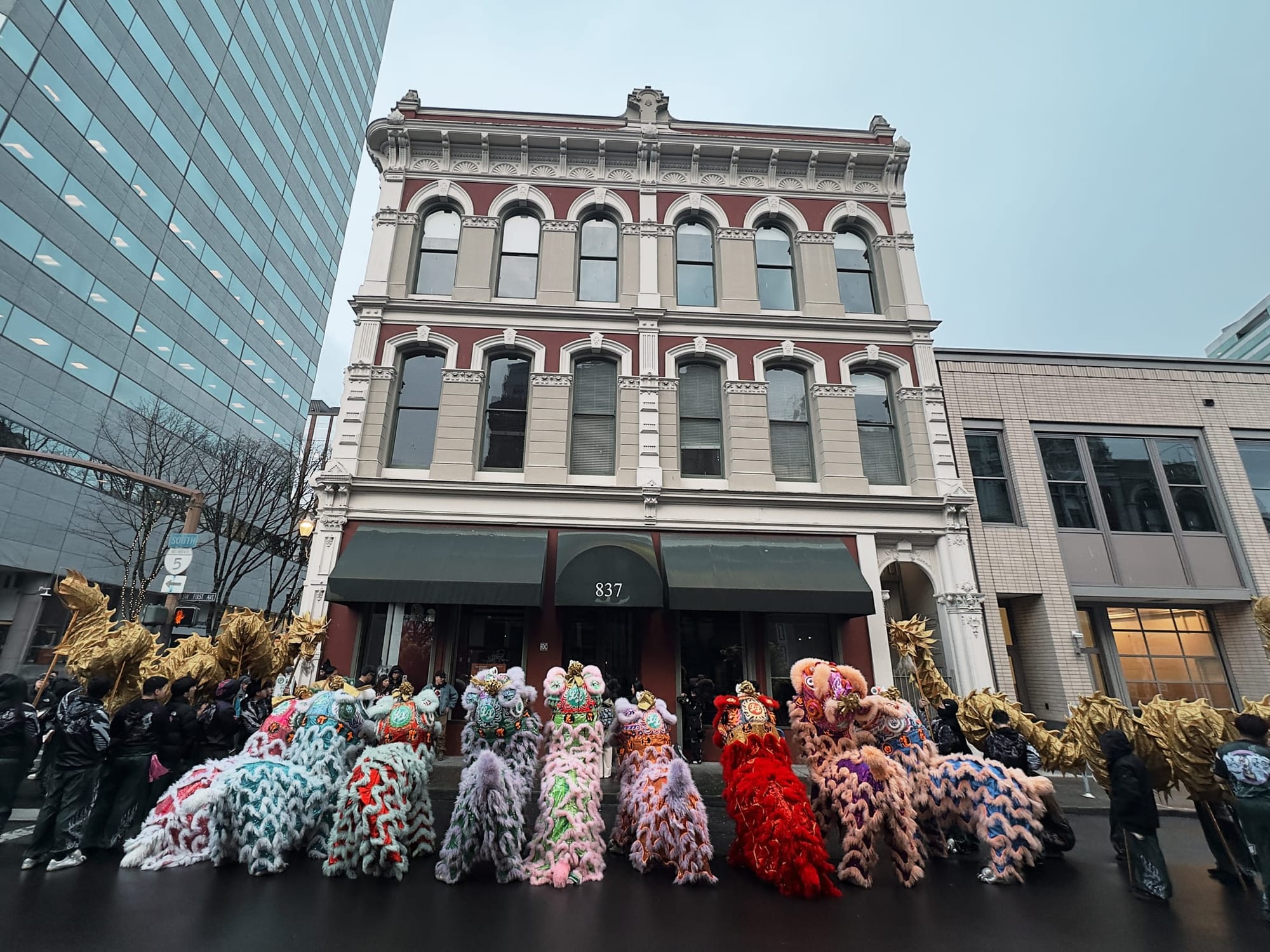
Then there's Luc Lac.
It's still open. Fifteen years later it's one of the three most reviewed restaurants in Portland, and it has outlasted nearly all of the rest of it. The accelerator wound down. Companies I helped build got acquired or quietly stopped existing.
The restaurant is still there. Full. On a Tuesday.
I filed that one as unrelated for years. There's no software in it. It never taught me a thing about a single tool I use.
But I wasn't in it because I could cook. I was in it because I had a read. I knew what people liked, what a room should feel like, what was about to be cool and what was already over.
That was the entire contribution.
Which, it turns out, is the actual job.
Not Photoshop. Photoshop was just the thing I grabbed because the shoes were wrong. The tools have never stopped changing on me. Dreamweaver, Xanga, Sketch, Figma, a dining room, and now a room full of cards.
The faculty underneath has never changed once.
Permission
There's a line from John Maeda I bookmarked when I was twenty-six and reread for years.
Especially in our industry I'm confident to say that if you're good, passionate and crazy enough you can do whatever you want without having a bit of traditional education.
By then I was already working. Already hired, already shipping.
And I was still out there collecting permission slips.
I have sat in rooms full of MFAs feeling like I busted in through the wall like the Kool-Aid man. They had the vocabulary and the fundamentals and those are real and I wish I had them. But the read? The thing that tells you this is right and that is wrong and you can't fully explain why yet? Everybody who has it got it the same way I did. By being eight years old and unable to leave one thing alone.
I believe that. I've watched it be true for 25 years.
And I notice that I opened this essay by telling you I never took a design class, which means some part of me is still standing in that closet doorway with a shoebox in my hand, unable to say what it's for.
Maybe that's just what the engine sounds like from the inside. Maybe you don't get the itch without the part that can't answer the question.
I'd like to tell you I've settled it. I've been writing for a while now and I have not settled it.
The latest one
So I've stopped asking what a side quest is for.
That question is the main quest talking.
The Alley is a side quest.
Not long ago some friends and I looked at each other and realized we had all the ingredients to open a card shop. We opened it in July, in Lake Oswego. Collin, Sam, me, and Collin's brother (and NBA Champion, 3x All-Star, 2x Olympic Gold Medalist) Kevin behind it.
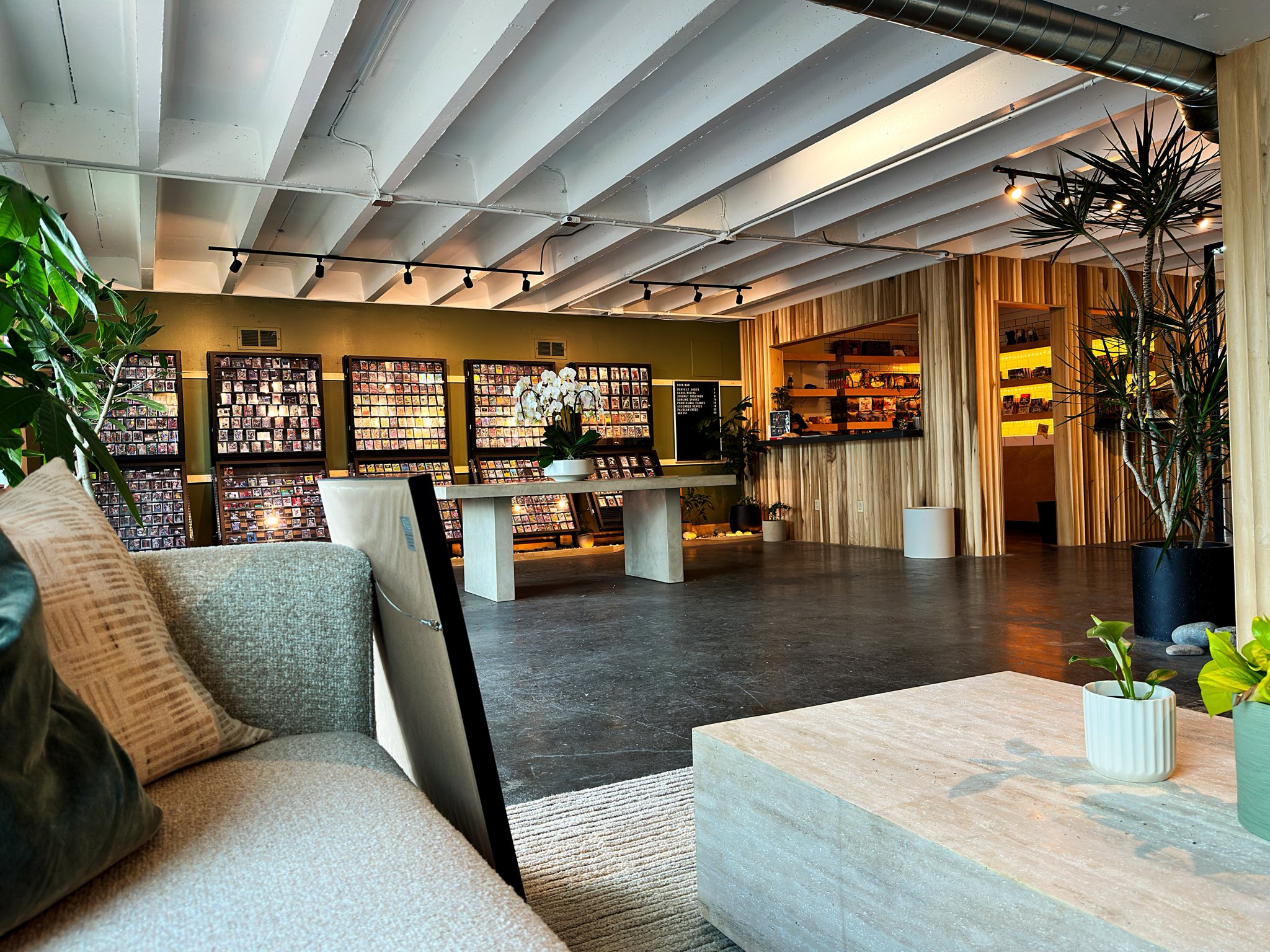
Selling cards is not what I do for a living. I still design all day. But it's the same move I've been running since middle school and I quit fighting it a long time ago.
The thing that started me was a photograph. A printed picture of something beautiful that I wanted and could not have, on a page, that I stared at until it went soft.
Which is a trading card. That is precisely what a trading card is.
So on a Saturday afternoon I stand behind the register and watch somebody pull the card they've been chasing for a year.
Sooner or later some kid is going to come in and get stuck on something. Might be the card. Might be the shoes in the photo on the card.
His mom is going to ask him what it's for.
He won't be able to say. That's fine. That's the good part.
I hope somebody gives him a computer.