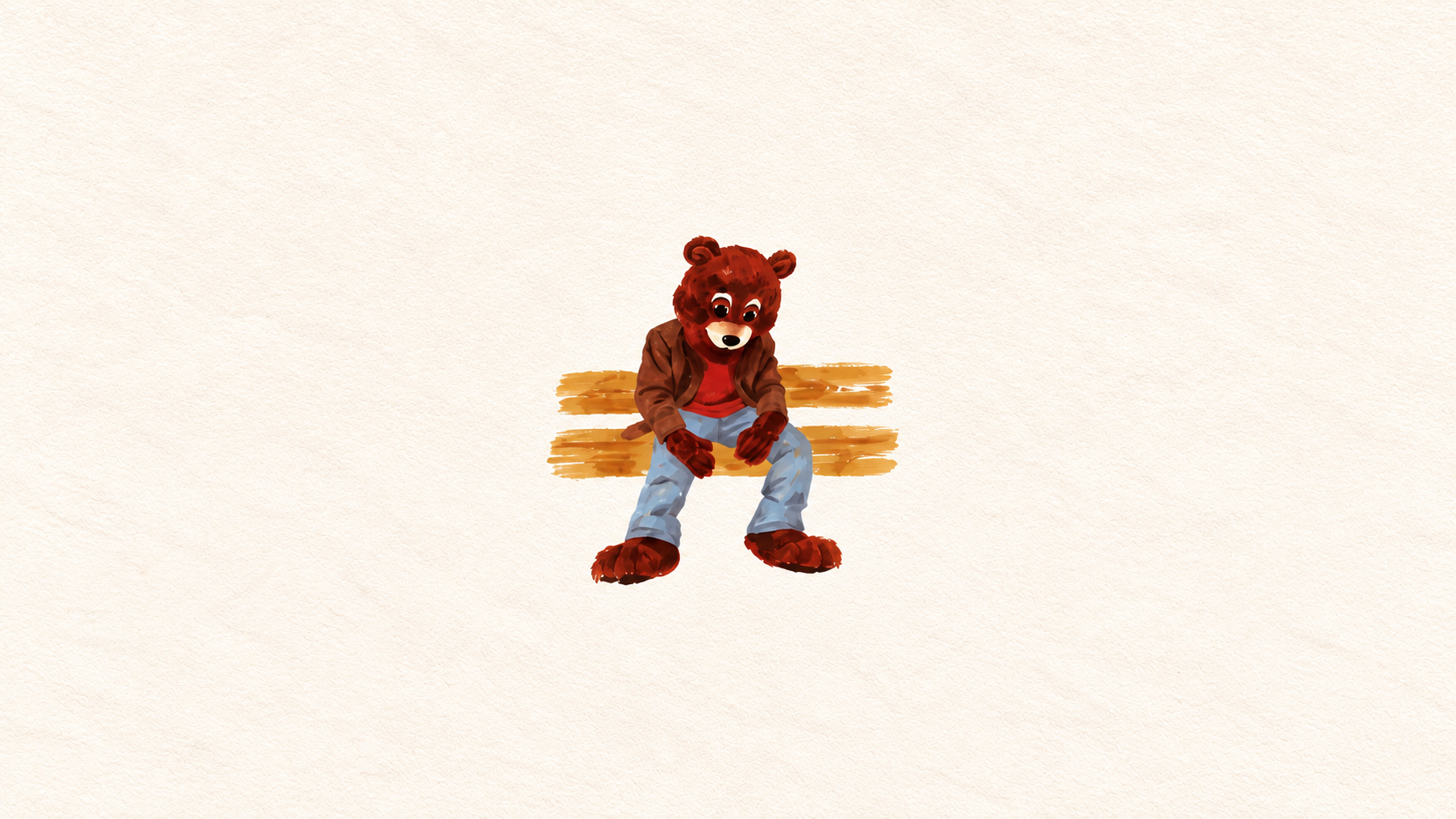

There's a bar in Northwest Portland that used to be called Balls the Cat's Moonshine Kitchen and Lounge.
It's called the Paymaster Lounge now.
Same bar but the name is easier to remember.
I was in there on a weekday afternoon a little over ten years ago with a drink I hadn't planned on having. I was sitting next to co-workers who, as of that morning, weren't going to be my co-workers anymore. The company we all worked for had stopped existing around lunch, and I was trying to figure out how to tell the woman I was about to marry.
The bad news was easy enough.
I lost my job.
It was what I knew I'd have to say right after that I couldn't get out of my head.
It's going to be alright.
I didn't believe it yet.
I've had to say both of those many times in my life.
The first part is always short, and it's the second part that sits in your body like something you swallowed wrong.
Nobody prepares you for saying it. There's a whole industry for what comes after, the getting back up, the comeback montage. There's almost nothing for the stretch between finding out and saying it out loud to someone who was counting on you.
The song
"All Falls Down" came out in February 2004. Kanye built it around a piece of Lauryn Hill's "Mystery of Iniquity," off the Unplugged record she made in 2002, after she'd walked away from all of it. Now she had a stool and an acoustic guitar, and between songs she explained to a room full of strangers what fame had done to her.
She wouldn't clear the sample. So he brought in Syleena Johnson to sing the part note for note, and shipped it.
It's essentially a song about what happens to you when the money's gone and the image cracks.
The ironic part is that the woman whose voice it was built on had already lived it and wouldn't come back for it.
Kanye had to rebuild her part with somebody else.
The song about the collapse is itself a thing put back together after one.
The hook is a question. When it all falls down, what's left?
It never answers.
I've had four chances to find out.
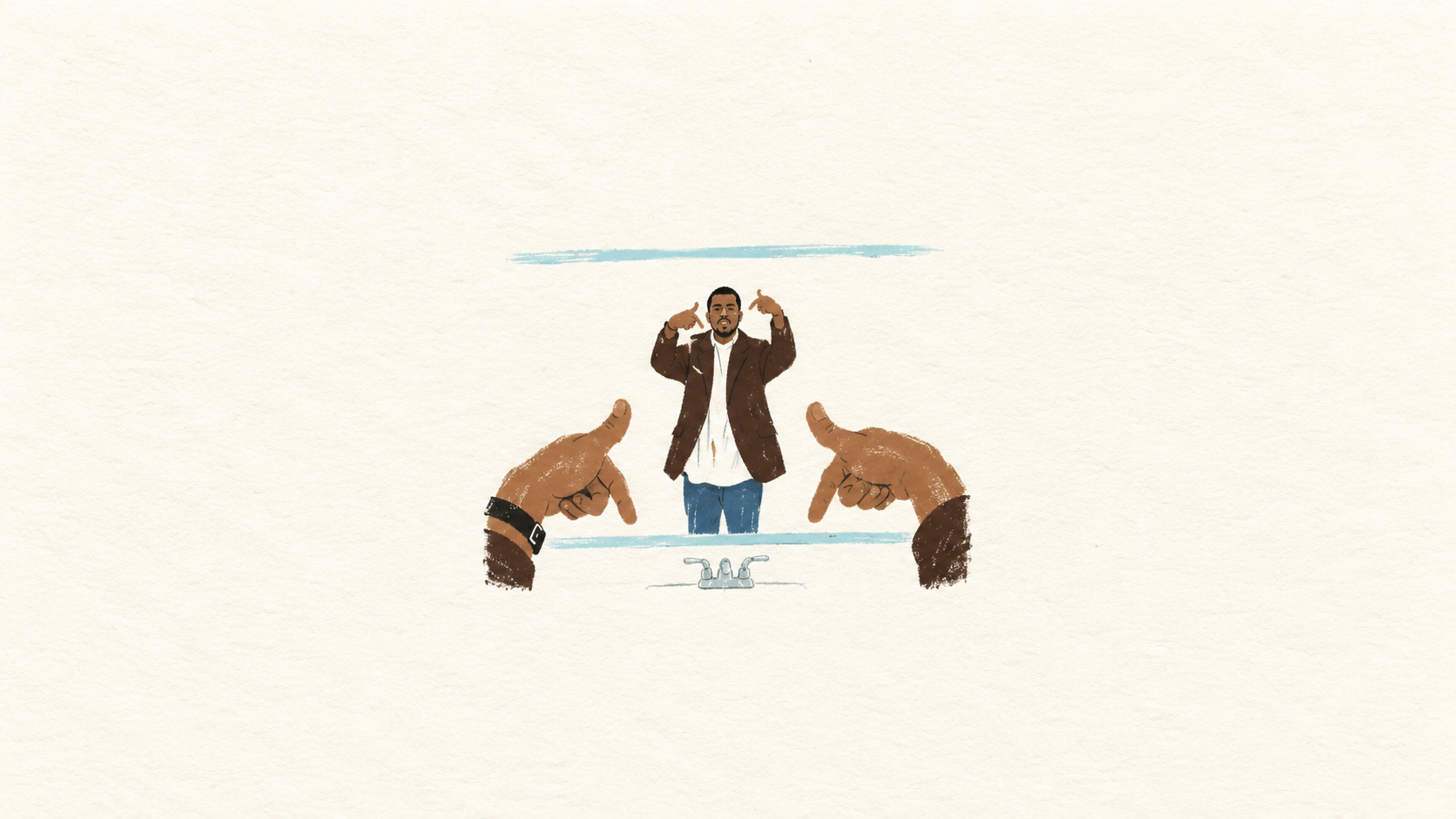
Twenty-three
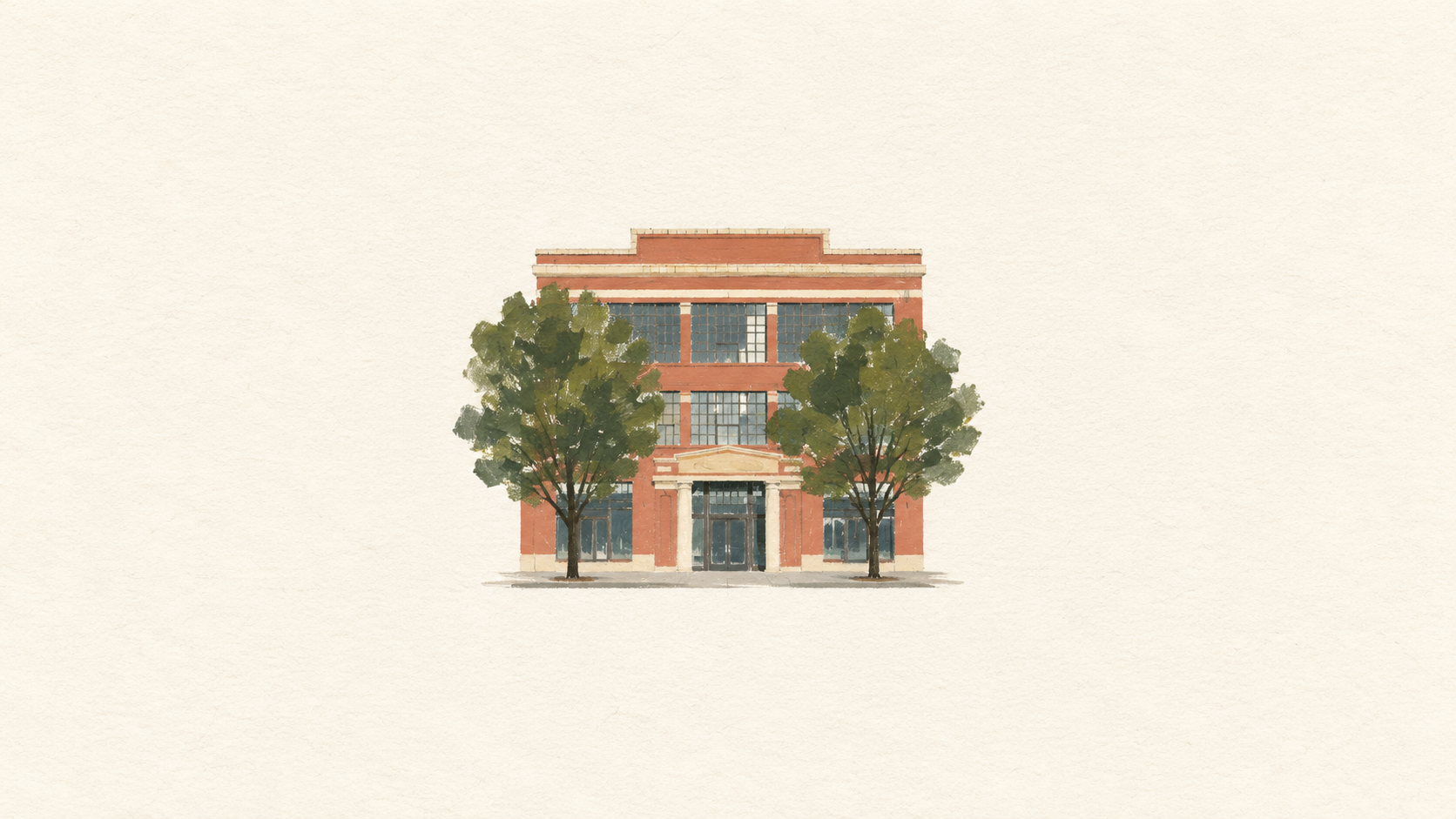
An agency I was interviewing at was on the second floor of the Ford Building in Southeast Portland, a 1914 brick plant where they used to assemble Model Ts.
You could feel that in the floors.
I was 23, and I sat across a table from the creative director and showed him everything I'd put together: internships at marketing and advertising agencies, my work study job, freelance work, all of it.
He passed.
He was decent about it, which was almost worse. I don't remember what he said, and I've decided that's fine. I remember walking back down those stairs. I remember thinking that was the door, and it had closed, and at 23 you only know about the one door you're standing in front of.
A few months later, I got hired as a digital art director at an advertising agency. I've written about that job before. It's still one of the best jobs I've ever had, and it exists because a guy at an old car factory said no.
Fast forward ten years from that rejection.
I'm now running the work for a large client, an agency gets brought in to support it, and one of the people they send is him. He works for me now. Not in a movie way. In a Tuesday way. He's on my calls. He's good at his job.
After a meeting, he hangs back.
"I don't know if you remember who I am."
"I remember."
"A long time ago you interviewed with me, and I passed on hiring you."
"I know."
"I was wrong."
I'd had ten years to write my line for that moment.
"You weren't wrong. I was young. But I'm not going to pretend it didn't matter to me that you said that."
Here's the thing about the no. It was true when he said it. He was looking at a kid with a stack of internship work and he made the right call for that afternoon. What neither of us could see was that the no had a date on it. Every no does. It's true the day it's said and nobody promised you it stays true.
A crash course in tech
Upstart Labs was a hands-on startup accelerator. I joined because I wanted to work in the unknown. Companies that were just an idea in someone's head or were just looking to build the next greatest David v. Goliath story ever.
We invested, but we also designed, engineered, and marketed for the companies we backed. Hands on the keyboard for other people's businesses. We started out writing $25,000 checks. Then we raised venture money and the checks got bigger, $125,000 to $250,000, and we were still doing the design and the engineering and the marketing on top of it.
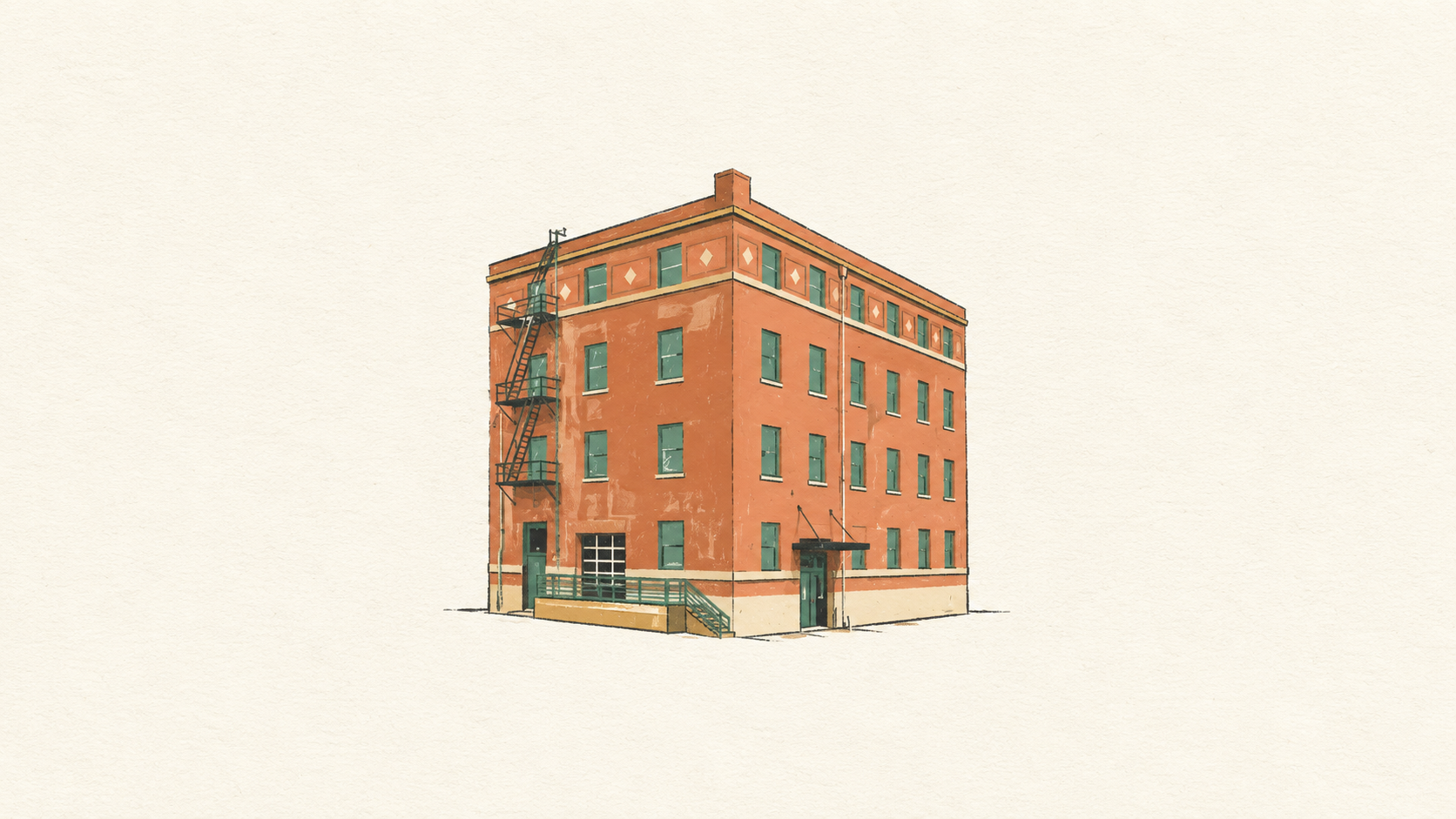
The work wasn't the problem. Portland was the problem, and I say that as someone who has never wanted to live anywhere else. This city gave me every job I've ever had and most of the people I love. It's also a place where a company can be good for a long time without anyone noticing. It wasn't a mature startup ecosystem then and I'd argue it still isn't. The companies we backed weren't getting into the green. They weren't getting into the black either. Nobody was getting acquired. Money goes in, nothing comes out, and eventually the people who started the thing look at the math and the math wins. The VCs wanted to keep going. The founders shut it down anyway.
I found out one day in the late summer. The weather was warm that day.
We all went to Balls the Cat's. I had a few drinks with people I wasn't going to see on Monday.
Then I went home.
My ex-wife/then-fiancee was in the kitchen.
"I lost my job today."
And before she could say anything:
"The wedding is going to be fine. I'm going to figure it out."
I said it before I believed it. I said it because somebody in that kitchen needed to say it and I was the only one who could.
The wedding happened exactly as planned. And the thing I couldn't have known, standing in that kitchen with moonshine on my breath, is that the next stretch would hold some of the most meaningful work of my life. Interfaces for space capsules. The Nike SNKRS app. Founding companies that would eventually get acquired. And underneath all of it, quietly, relationships with startup CEOs that I had no idea I was going to need.
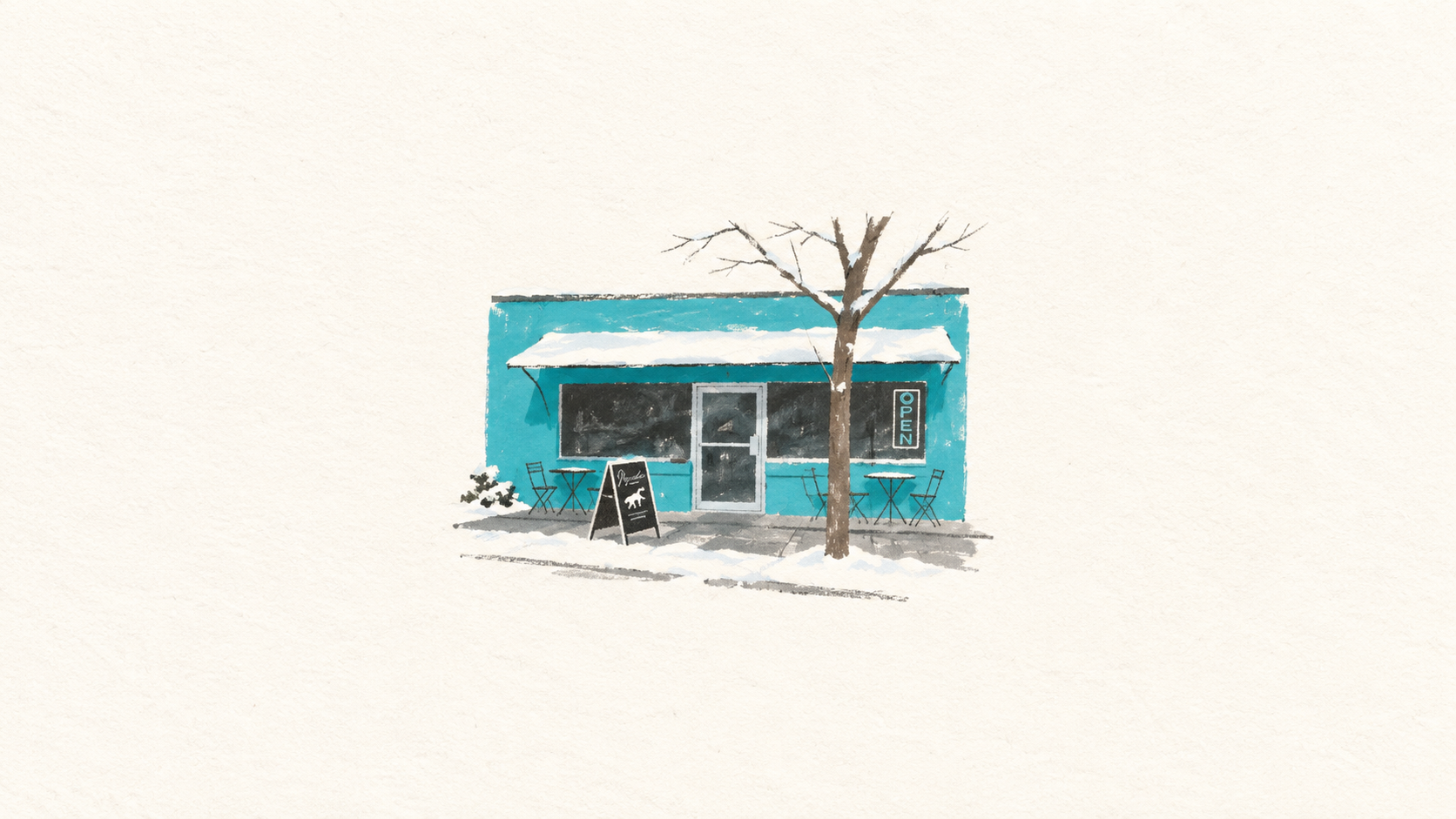
I don't do the family thing
XMTP started for me as a text thread. Matt Galligan and I talked the idea through over text, back and forth, until somewhere in there I'd joined.
Employee number one.
In the early days I interviewed the people who became the core team, and I can still tell you what each of them was good at and the thing in their interview that made me want them on the floor.
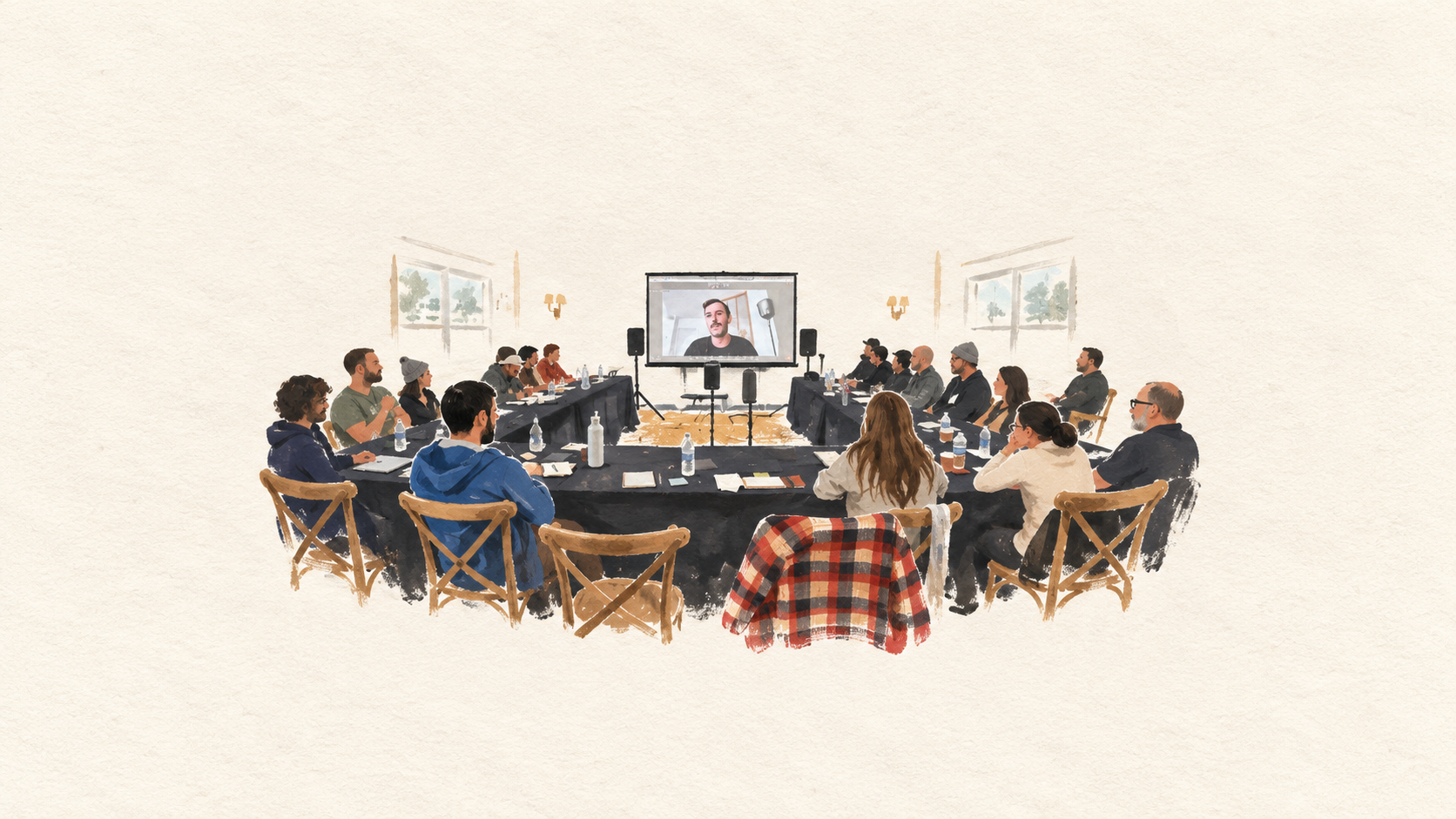
I don't do the family thing.
A company isn't a family.
A family doesn't cut you in a downturn.
A company is a professional sports team. You're there because you're good, you stay because you're good and the team is winning, and there's a real chance that one day somebody decides the roster needs to change and it isn't personal, it's the cap. I believe that. I've said it out loud in every job I've had.
We had real highs at XMTP.
Partnerships with Coinbase, World, Zora, MetaMask. Every big player in the space wanted to work with us. Morale was high and the culture felt like something we'd built on purpose. And then it turns out building a decentralized messaging protocol is hard. The thing we'd worked that hard to build was getting harder, and coming to terms with that is its own kind of grief, the kind where there's no one to be mad at. I still had the sports team speech. It turns out believing it doesn't help when it's your team.
There was no drive home this time.
XMTP Labs wasn't an office.
I hopped on Zoom one morning with Shane, the CEO, and when the call ended I was in the same room I'd started in, and I was out, same as the day Upstart closed, but now more than decade later.
Except this time there were two little kids down the hall from my home office.
At Upstart the person I was going to let down was an adult who could hear the whole sentence and decide what to do with it.
Kids don't get the sentence.
They get whatever version of you walks out of the office, and they get it every day until you've figured it out.
That weight is different. It doesn't sit in your chest.
It sits on it.
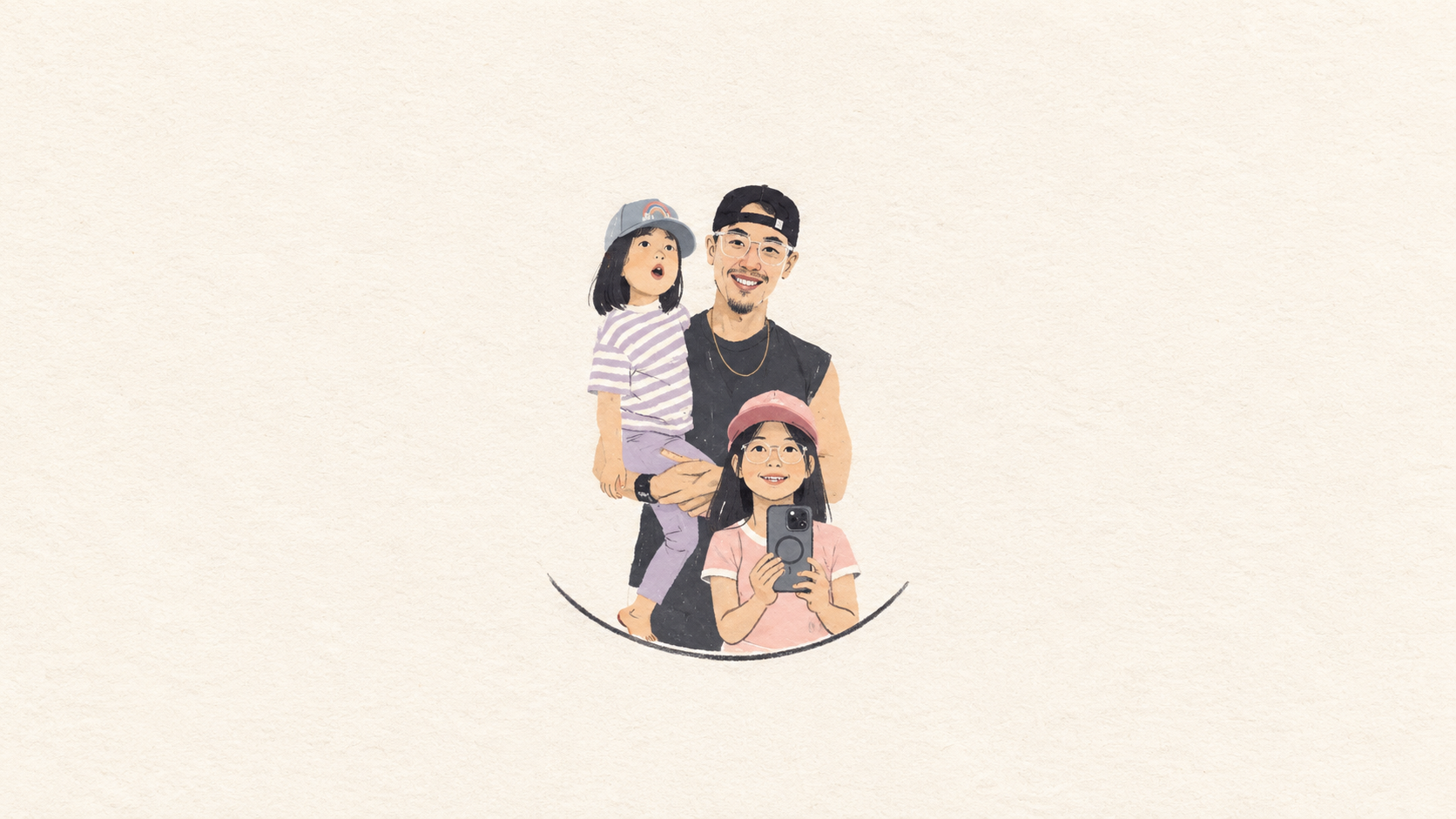
I then went through more than 30 interviews.
Somewhere around number twenty I stopped being a person with a career and started being a guy answering the same six questions in different fonts. I could feel myself going. Not dramatically. Just a little less of me at each one, like I was leaving it in the conference rooms.
The only reason I didn't go under is that I never stopped working. Those CEO relationships from the accelerator years came due. Jimmy Douglas. Marcelino Alvarez. Jenn Lynch. There are a lot more than that, and they know who they are. They called and I picked up, or I called and they did. Not because I'm resilient. Because fifteen years of showing up for people meant there were people who showed up.
Love is hard
Somewhere in here, and I'm keeping the timeline vague on purpose, my marriage ended.
I'm not going to write about her. She didn't sign up to be in this. I didn't expect it but life doesn't give you that choice sometimes. What I'll write about is the floor, because I was on it, and it's a different place than a bar in Northwest.
In a bar you still have a tab and a way home. On the floor you don't have a horse, or a barn, or a drive. You have two options and one of them isn't an option, so you have one.
The phoenix is a bird that lives five hundred years and then builds itself a nest of cinnamon sticks and myrrh, sits in it, and lets it burn. Everything. Down to ash.
And then out of that ash comes a new bird. Not a different one. The same one, young again. That's the part people leave out.
It doesn't escape the fire.
The fire is the only way through.
It was a cliché to me right up until I was the one in the nest.

Love is hard.
That's not an insight. It's the sentence I had left when the rest of them burned off.
And I'll say this and then move on: I got up.
My life has never been better than it is right now. I don't say that to close an unclosed loop. I say it because when you're on the floor you cannot picture the other side, and someone should tell you it's there.
The line I'm cutting
There's a sentence that keeps trying to get into this post. It showed up after the kitchen, then after the phoenix, and it wants to be the last line.
I always knew I'd figure it out.
It doesn't get to be in here. I didn't know. I told my then-fiancée I'd figure it out because she needed to hear it and so did I. I didn't know walking down the stairs of the Ford Building. I didn't know at interview number thirty-one. Anybody who tells you they knew is selling the poster.
There's a scene in Marty Supreme where Timothée Chalamet, broke and running out of angles, says it the honest way:
Everything in my life's falling apart but I'm going to figure it out
That's the version I can live with. Not I always knew. Just the mess, the word but, and a promise made before there's any proof. He doesn't know either. He says it anyway.
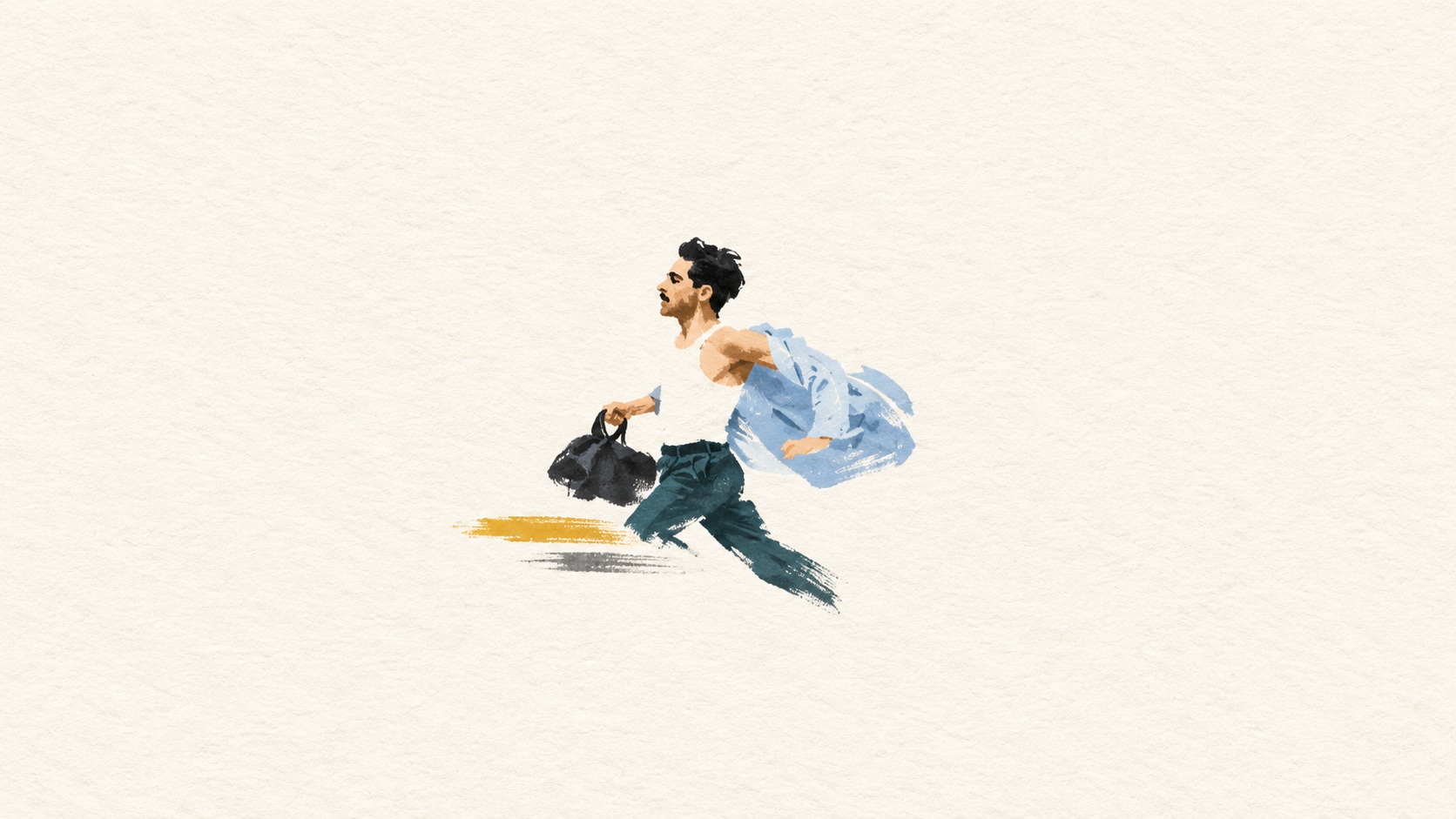
What I can stand behind is narrower than that.
Every time, I said it out loud to somebody.
The interview. The accelerator. The call. The floor. That's the only move I've got that's worked all four times.
The second you say it to someone who was counting on you, it leaves your head. In there it was a verdict. Out here it's just a problem.
Problems have dates on them.
What's left
Kanye's right that the confidence goes. I've watched it go many times and you now know of at least four of the times times it's disappeared in my life.
It's not a support beam. It's paint.
What's left, when it all falls down, is whoever's in the kitchen when you walk in. And whether you can say the sentence. We spend our whole careers building the image and almost no time on the two things that outlast it.
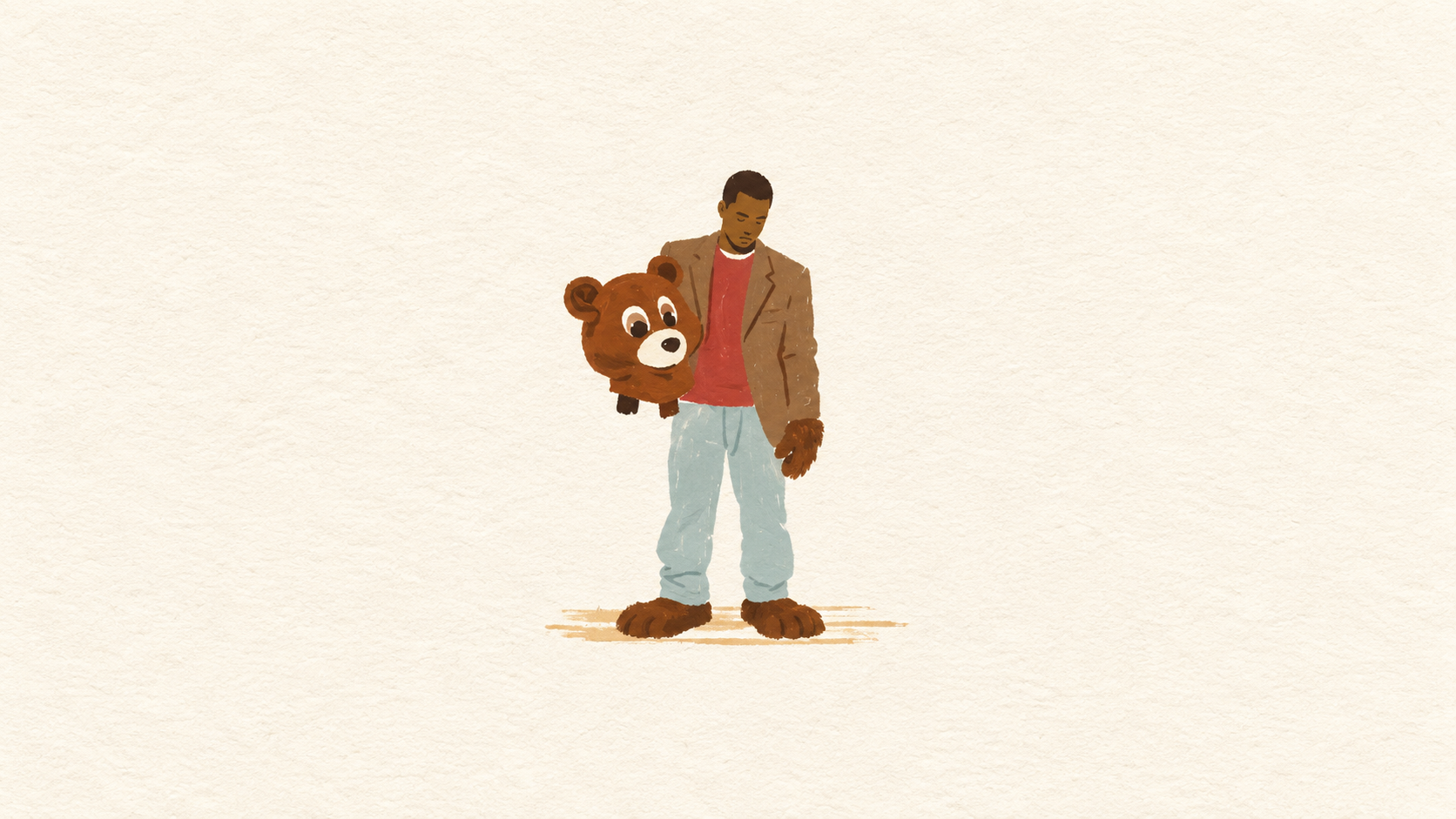
For most of my life I said both halves myself. The bad news and the "I'll figure it out," back-to-back, before anyone could get a word in. I thought that was strength. It was mostly not wanting to hear the silence between them.
When XMTP let me go, I told my partner. I said the first half. I stopped there, because I didn't have the second half in me that day.
"You'll figure it out."
She said it.
Not me.
I'm still learning how to let that happen. I'd like to tell you I've stopped saying the second part myself, and I haven't, not all the way.
But I know now what it sounds like when somebody else says it.
And I'm not going back.